
Title: “Wearable Diagnostics Empowered by AI: A Comprehensive Guide to Smart Health Devices”
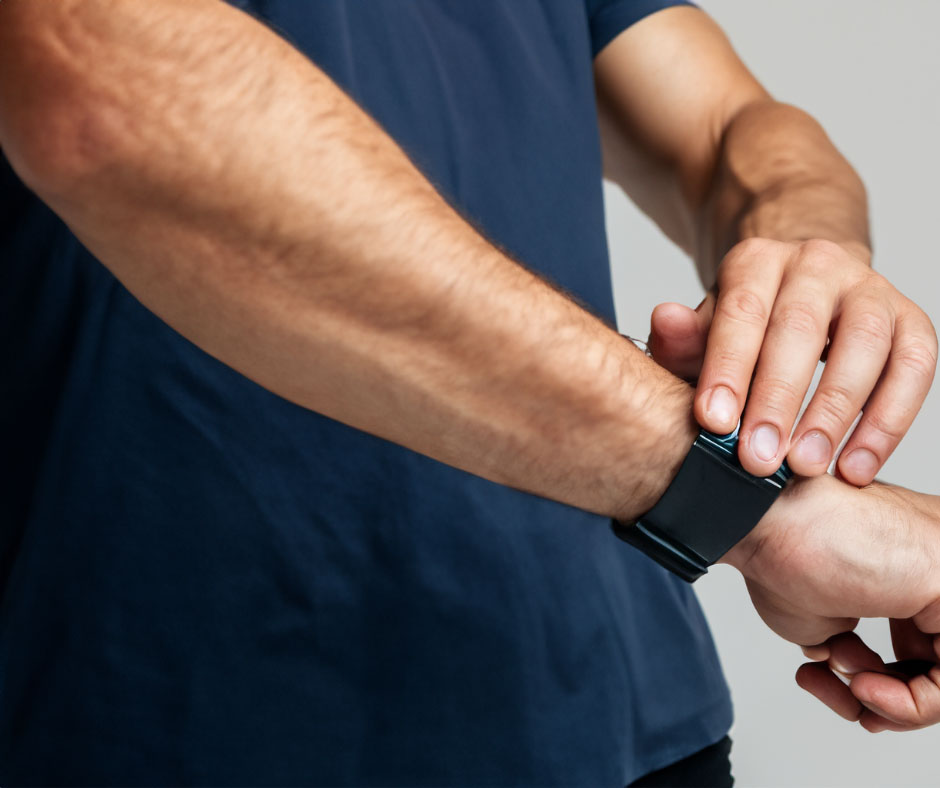
Introduction: In the era of digital health, wearable diagnostic devices powered by artificial intelligence have emerged as powerful tools for individuals seeking proactive insights into their well-being. From smartwatches to fitness trackers, these devices seamlessly integrate technology and healthcare, providing users with real-time health data and personalized insights. In this blog post, we’ll explore a range of wearable diagnostic devices, highlighting their features, brand distinctions, and the transformative impact of AI on personal health monitoring.
- Apple Watch Series: Undoubtedly a pioneer in the smartwatch domain, the Apple Watch Series incorporates advanced health monitoring features. The Series 4 and newer models include an ECG app for detecting irregular heart rhythms, fall detection, and a Blood Oxygen app. The integration of AI algorithms enables the watch to provide actionable insights based on continuous health data tracking.
- Fitbit Sense: Fitbit, a stalwart in the fitness tracker market, has elevated its offerings with the Fitbit Sense. This smartwatch boasts an EDA (electrodermal activity) sensor for stress management, an ECG app for heart health assessment, and skin temperature tracking. AI-driven analysis interprets the collected data, providing users with a holistic view of their health status.
- Samsung Galaxy Watch: Samsung’s Galaxy Watch series combines style with advanced health features. The Galaxy Watch 4 introduces a BioActive Sensor that includes optical heart rate, electrical heart, and body composition measurement capabilities. AI algorithms process this data to deliver insights into overall fitness levels and health metrics.
- Garmin Venu 2/2S: Garmin, renowned for its GPS and fitness tracking devices, offers the Venu 2 and Venu 2S smartwatches. Equipped with advanced health monitoring features, including heart rate tracking, sleep analysis, and stress tracking, these watches leverage AI for in-depth data analysis. The Body Battery feature provides users with a comprehensive understanding of their energy levels throughout the day.
- Huawei Watch GT Series: Huawei’s Watch GT series focuses on combining elegant design with robust health monitoring. With features like TruSeen for continuous heart rate monitoring and TruSleep for sleep analysis, these smartwatches utilize AI to interpret data patterns. The AI-driven algorithms enhance the accuracy of health metrics, offering users valuable insights into their well-being.
- Withings ScanWatch: Withings has gained recognition for its hybrid smartwatches, and the ScanWatch takes it a step further. This device includes ECG and SpO2 monitoring, as well as sleep apnea detection. AI algorithms analyze health data to provide users with personalized recommendations for maintaining a healthy lifestyle.
- Amazfit GTR 3: Amazfit’s GTR 3 smartwatch offers a range of health-tracking features, including blood oxygen monitoring, stress tracking, and sleep analysis. AI algorithms enhance the accuracy of health metrics, providing users with actionable insights for managing their overall well-being.
Conclusion: Wearable diagnostic devices powered by artificial intelligence have transformed personal health monitoring, empowering individuals to take a proactive approach to their well-being. The integration of advanced features in smartwatches from leading brands like Apple, Fitbit, Samsung, Garmin, Huawei, Withings, and Amazfit exemplifies the convergence of technology and healthcare. As AI continues to play a pivotal role in interpreting health data, these devices are poised to become indispensable tools for individuals seeking a holistic understanding of their health and fitness levels. The future holds the promise of even more sophisticated and personalized health monitoring solutions as technology advances and the digital health landscape evolves.


 Vitalfinds
Leave a reply to sujaelizabeth Cancel reply